Specialist Water Softener Installation: Upgrade Your Water Quality Today
Expert water softener setup plays a critical role in enhancing water quality in homes. Hard water can lead to various issues, affecting everything from plumbing to personal care. Professionals ensure that the installation process is smooth and compliant with local regulations. They also help prevent common mistakes that can arise during setup. Understanding the advantages of this service can lead to significant improvements in daily life, prompting further exploration into its advantages and processes.
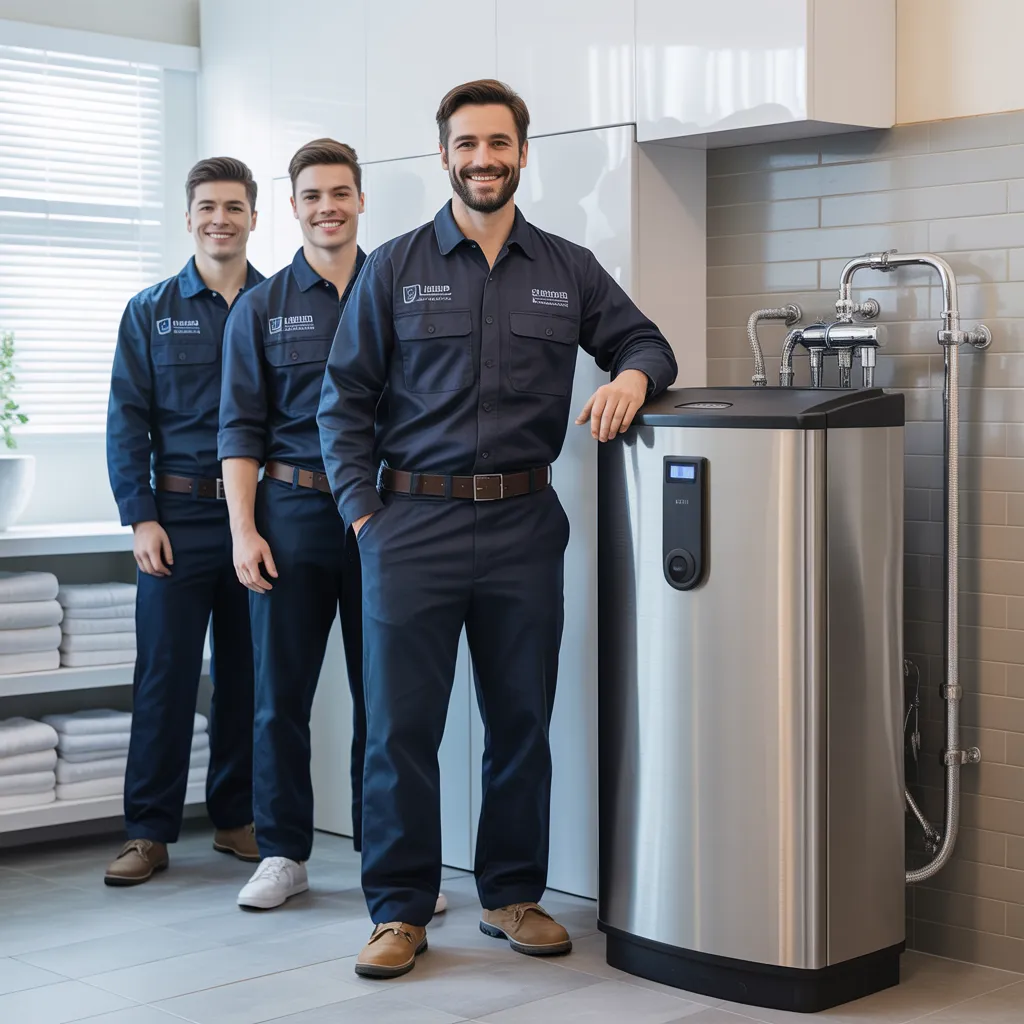
How Does Hard Water Influence You and What Makes It Hard?
Hard water, noted for its elevated mineral concentration—especially calcium and magnesium—can substantially impact everyday life. Many households unwittingly experience its effects, which may manifest in various ways. Having these minerals present can lead to limescale formation in pipes and machines, which reduces their efficiency and longevity. Moreover, hard water can pose challenges in cleaning; soap might not lather well, leaving residues on dishes and laundry.
Moreover, mineral-saturated water can change the flavor of household water, making it less appealing. In some instances, it may factor into greater energy expenses due to increased wear on heating appliances and other home systems. Understanding the impact of hard water helps homeowners to contemplate alternatives that could enhance their water quality and overall comfort in daily pursuits.
The Advantages of Water Softening for Your Household
Water softening delivers substantial benefits for homes by improving the lifespan of equipment and improving cleaning efficiency. Softened water decreases mineral buildup, which can result in expensive repairs and new units. Also, it allows cleaning solutions to work more effectively, resulting in cleaner surfaces and textiles.
Increased Appliance Longevity
Installing a water softener can substantially extend the lifespan of household appliances. Hard water contains compounds like calcium and magnesium, which cause mineral buildup in appliances such as dishwashers, water heaters, and washing machines. Over time, this accumulation can result in inefficiencies and eventually cause breakdowns. By softening the water, homeowners can considerably lessen the damage on these essential devices. Softened water permits appliances to run more efficiently, lowering energy consumption and cutting maintenance costs. Consequently, the investment in a water softener not only increases the lifespan of appliances but also improves their performance. Homeowners can look forward to fewer repairs and replacements, making water softening a effective choice for maintaining household efficiency.
Improved Maintenance Productivity
A water softener greatly boosts cleaning efficiency throughout your house. Hard water holds calcium and magnesium minerals that can diminish soap's effectiveness, resulting in dingy laundry, spotted dishes, and soap residue. By reducing these minerals, water conditioning systems strengthen lathering ability and soap effectiveness, enhancing cleaning convenience and improving outcomes.
With treated water, laundry looks brighter and becomes softer, while dishes come out sparkling clean without residue. Additionally, surfaces in kitchens and bathrooms need less frequent cleaning, as mineral deposits are minimized. This not only cuts down cleaning time but also reduces the need for harsh cleaning products. Overall, a water softener considerably enhances the quality of cleaning, encouraging a more efficient and pleasant home maintenance experience.
Why You Must Believe in Professionals for Assembly
Although some homeowners might explore a DIY approach to water softener placement, trusting specialists assures a higher level of expertise and efficiency. Professionals possess the technical knowledge and experience needed to assess specific home plumbing systems, confirming that the water softener is correctly integrated. They are well-versed with multiple models and can recommend the most suitable choice for unique needs, avoiding frequent problems that may emerge during installation.
In summary, knowledgeable experts grasp area-specific requirements, preserving adherence and minimizing the hazard of forthcoming problems. Their experience enables them to troubleshoot and solve issues with speed, delivering confidence that the system will work optimally. Moreover, professional installers often offer guarantees on their services, supplying supplementary protection for residents. Ultimately, going with professional installation not only optimizes the performance results but also economizes resources, rendering it a smart investment in water quality improvement.
How to Select the Correct Water Softener
Deciding on an ideal water softener involves a meticulous review of water hardness degrees, which can substantially impact the effectiveness of the system. In addition, grasping the various types of softeners available to you and their features is paramount for making an thoughtful decision. Cost considerations also play an important role in determining a system that meets both needs and fiscal constraints.
Water Hardness Measurement
Finding water hardness levels is a important step in picking the right water softener. Water hardness is chiefly calculated in grains per gallon (GPG) or parts per million (PPM) and indicates the amount of calcium and magnesium minerals. Homeowners can assess their water hardness with test kits obtainable at hardware stores or by sending samples to a lab for analysis. Recognizing the hardness level enables identification of the right softener capability and type needed for effective treatment. Generally, water is categorized as soft (0-3 GPG), moderately hard (4-7 GPG), hard (8-12 GPG), or very hard (over 12 GPG). Precise evaluation guarantees proper softening, boosting water quality and extending the lifespan of plumbing and appliances.
Comprehensive Softener Types Analysis
Choosing the appropriate water softener demands an understanding of the various types available in the market. The most common types consist of ion exchange, salt-free, and reverse osmosis systems. Ion exchange softeners substitute hard minerals with sodium ions, effectively reducing hardness. Salt-free systems, on the other hand, treat water without traditional salt, making them ideal for those seeking a more eco-friendly option. Reverse osmosis units filter out impurities, including hardness minerals, but are often used in conjunction with other systems for thorough water treatment. Each type has its benefits and limitations, making it essential for consumers to assess their specific water quality needs and preferences before making a decision. Understanding these options will facilitate informed choices for ideal water quality.
Financial Concerns Broken Down
Financial consciousness plays a vital role in the determination process for water softener installation. Homeowners must scrutinize both initial costs and extended spending. Basic units may showcase reduced starting costs, but they can lead to higher maintenance and salt expenses over time. By contrast, high-end systems often include advanced features and superior efficiency, potentially reducing ongoing costs. In addition, labor charges can range widely; many individuals may select DIY installation to reduce spending, whereas some opt for professional assistance for excellent results. Grasping the total overall expense, including service work and protection, is important. Fundamentally, coordinating the preference of water softener with both current financial boundaries and future financial targets assures a more satisfying undertaking.
Step-by-Step Handbook to Water Softener Implementation
Setting up a water softener can significantly improve the quality of water in a home. The installation process begins with selecting a appropriate location, typically near the main water supply line. Next, the homeowner should turn off the water supply and drain any remaining water from the pipes. After readying the area, the water softener is positioned, ensuring it is level.
The following phase involves attaching the inlet and outlet pipes to the softener. This may require modifying the existing plumbing and fitting it with appropriate connectors. Once the joints are tightened, the brine tank is filled with salt, and the unit is connected to power. Finally, the water supply is restored, enabling the homeowner to inspect for damage and confirm proper operation. Adhering to these steps will result in effective water softener installation, paving the way for improved water quality throughout the home.
Keeping Your Water Softener in Optimal Shape for Lasting Rewards
Ensuring a water softener operates effectively and lasts long-term enhances the quality of water throughout your home. Routine care requires multiple critical responsibilities, beginning with assessing salt concentrations in the brine tank. It is crucial to add salt regularly to maintain correct regeneration cycles. Furthermore, cleaning the resin bed annually aids in extracting contaminants that may accumulate throughout time, maintaining the unit's capability.
Checking the system for leaks and confirming proper water flow is also vital. A detailed inspection of the bypass valve, inlet, and outlet connections can stop possible problems. Furthermore, regular testing of water hardness verifies that the softener is functioning correctly.
For those adopting a dual-tank design, switching between tanks during regenerating can enhance output. By adhering to these maintenance routines, dwelling owners can extend the lifespan of their water treatment systems, ensuring uniform performance and improved water quality for the years ahead.
Popular Questions Asked Often
What is the typical Water Softener Installation timelines?
A water softener setup typically takes between two to four hours, depending on the complexity of the system and the plumbing involved. Elements such as location and existing setup can affect the overall duration.
What Are the Warning Signs of a Defective Water Softener?
Indicators of a faulty water softener include salty taste in water, decreased sudsing of soap, scale buildup on fixtures, frequent regeneration cycles, and an increase in water hardness. These indicators suggest underlying issues needing attention.
Can I install a Water Softener Myself?
Yes, a water softener may be self-installed by you, provided the individual has fundamental plumbing abilities and understands the manufacturer's instructions. However, expert installation may guarantee peak performance and conformity with local codes.
What Are the Repair Costs of a Water Softener?
The annual maintenance costs of a water softener typically fall between $50 to $150. This includes salt replacement, occasional repairs, and professional maintenance, guaranteeing peak performance and longevity of the system for effective water treatment.
Can Water Softeners Alter Water Flavor?
Water softeners typically do not greatly impact water taste. evidence However, some individuals may detect a change due to the elimination of minerals like calcium and magnesium, resulting in a softer, less mineral-rich flavor profile.